
AI in Cyber Roadmap 2026: The Complete Guide
Use AI at work. Then test it, defend it and govern it. AI is now part of security work: a tool people use every day,…
AI in Cyber Roadmap 2026: The Complete Guide Read Post »
Plain-language guides to the terms, certifications, and career paths that make up this field. If a certification acronym just landed in your lap, start with the 100 Terms to Know series.
Use AI at work. Then test it, defend it and govern it. AI is now part of security work: a tool people use every day,…
AI in Cyber Roadmap 2026: The Complete Guide Read Post »
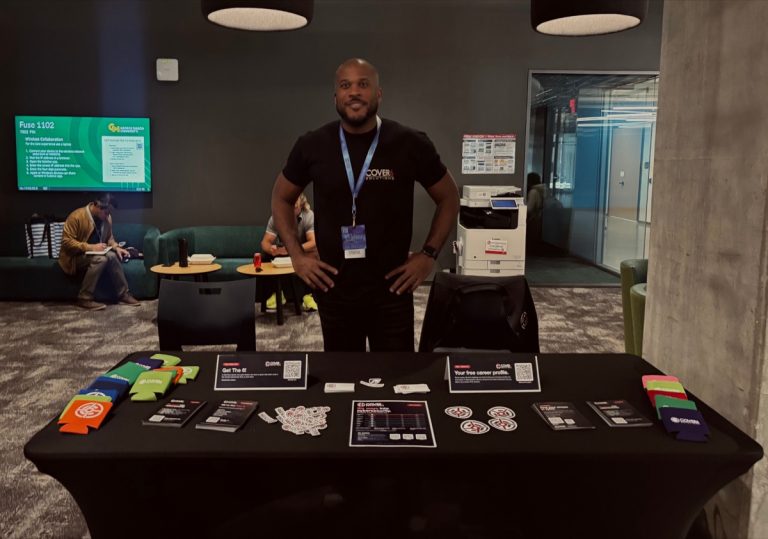
BSides NoVA turned 10 this year. The theme was “Haunting the Mainframe,” the stage was covered in cobwebs, and several panelists showed up in costume.…
BSides NoVA 2026 Recap and a First-Timer’s Guide to Your First Security Conference Read Post »
Marcelle Lee (Fractal Security Group) and Tyrone E. Wilson are hosting a live YouTube mini-meetup on threat intelligence and the real work behind it. Marcelle…
Threat Intel in Practice: How a Report Becomes a Detection Read Post »
Why giving a talk early is one of the best career moves in cyber, how to pick a topic, how to build a 5 to 15 minute lightning talk, and where to give your first one.
How to Give Your First Cybersecurity Talk Read Post »
How to grow from analyst to security manager, CISO and virtual CISO: what each seat does, the order to learn it in, the certifications that matter, and the free course that puts you in the manager’s chair.
vCISO Roadmap 2026: The Complete Guide Read Post »
How to move into cloud security in 2026: what the work is, the order to learn it in, the certifications that matter, and the free course where you make a real cloud decision on day one.
Cloud Security Roadmap 2026: The Complete Guide Read Post »
How to become a GRC analyst in 2026: what the job is, the order to learn it in, the certifications that matter, and the free course where you practice the work itself.
GRC Analyst Roadmap 2026: The Complete Guide Read Post »
Cybersecurity skills aren’t built by reading — they’re built by doing. Part 1 covers what a home lab looks like in 2026, virtualization basics, safe lab networking, snapshots and hygiene, and how to turn lab work into portfolio proof.
Home Lab Setup Part 1: Build Your Cyber Lab From Scratch Read Post »
Before an attacker touches a single system, they already know your infrastructure — and you had no idea they were looking. Passive reconnaissance and OSINT: gathering intelligence on a target with no packets, no alerts, and no trace.
Passive Recon & OSINT: Mapping a Target Without Touching It Read Post »
IPv6 is already running on your devices — most people just don’t know it yet. Reading 128-bit addresses, the three communication types, how SLAAC auto-configures from your MAC, and the attacks (RA spoofing, tunneling) every analyst should recognize.
IPv6 Overview: The Protocol Already Running on Your Devices Read Post »
A home lab with no targets is just a fancy VM manager. Part 2 stands up Kali and Metasploitable 2, isolates the lab network, and gets your attacker and target talking — then opens real ports to scan and research.
Home Lab Setup Part 2: Giving Your Lab Something to Attack Read Post »
Every open port is a decision someone made. Mapping the services that run on most networks — HTTP, SSH, FTP, SMB and more — to the attacks that target them, and how a threat actor reads your scan results.
Common Services, Threats & Attacks: What Each Open Port Means Read Post »
Everything on your network is having a conversation — Wireshark lets you read every word. Live capture, display filters, following a TCP stream, and the protocol analysis that changes how you see networks.
Wireshark Fundamentals: Reading the Conversation on Your Wire Read Post »
The lab isn’t done until there’s a domain. Standing up a Windows Domain Controller, joining a workstation, scanning with Nessus, and turning on log visibility — what an assessment-ready lab looks like.
Home Lab Setup Part 3: Active Directory, Nessus & Log Visibility Read Post »
You built the lab — now find out what’s on it. Nmap fundamentals and NSE, SMB enumeration, banner grabbing, and documenting your attack surface before you exploit anything.
Active Scanning & Enumeration: Mapping the Attack Surface Read Post »
You found the open ports — now figure out what they mean. Reading CVEs and CVSS scores, the vulnerability scanners worth knowing, and how to prioritize what actually matters.
Vulnerability Identification & Analysis: Making the Scan Mean Something Read Post »
Turning a documented vulnerability into real access on a lab you own — how to think in Metasploit modules, the Module → Payload → Session model, bind vs reverse shells, and documenting it the way a report requires.
Exploitation, Post-Exploitation, and Privilege Escalation Read Post »
Same AD lab, defender’s seat. The Windows Event IDs every SOC analyst should know, how BloodHound and Kerberoasting look from the blue-team side, and the indicators of a Golden Ticket.
Windows Active Directory Forensics: What the Attacker Leaves Behind Read Post »

Splunk is the language of the SOC. The SPL fundamentals you’ll actually use, how correlation searches and dashboards work, and the triage workflow from alert to escalation.
SIEM & Log Analysis + Incident Response: Working a Real Alert Queue Read Post »

What a Capture the Flag actually feels like, the main challenge categories, and how to go from watching to catching your first flag — no experience required.
Capture the Flag: Your First CTF Read Post »

Six cybersecurity lanes compared side by side — the work, the skills, and the first free step for each — plus how to read the signals that tell you where you fit.
Career Paths in Cyber: How to Choose Your Lane Read Post »

What a penetration tester actually does on an engagement, the attack methodology that never changes, the exact nmap commands we ran on stream, and how to land your first shell in a free lab.
Pentester Fundamentals: From Recon to Shell Read Post »

Point a scanner at a target you’re allowed to test, then open the SIEM and watch your own attack land in the logs. Here’s exactly how we did it live, and how you do it free in Cover6: First Watch.
Attack & Defend: Watch Yourself Attack Yourself (for Free) Read Post »

What a CISO and a vCISO actually do, the first 90 days with a new client, how to talk about risk in business terms, and the road from analyst to the security leadership seat.
The vCISO Pathway: From Analyst to CISO Read Post »
Job openings, new courses, upcoming events, and what’s working in cyber careers right now — straight to your inbox.